Influencer opinion and DJF analysis · October 26, 2026
Attribution: The election assessment discussed below belongs to DataRepublican. It is not Daily Junk Food’s election forecast. Election outcomes remain undecided.
DataRepublican has a problem with the audience’s morale. In an October 25 post on X, the pro-Republican commentator said being too blunt about early-voting analysis could affect supporters’ spirits. The account urged followers to vote and prepare for a difficult election night, including a fight in Texas.
The post is attracting coverage Monday, including in Florida Politics’ morning roundup. Its date matters: this is renewed attention to a Sunday opinion, not an election result announced today.
What the account actually offered
DataRepublican said new state tools would go on the account’s website without being announced on X, and proposed sharing predictions with Jeremy Carl before Election Day for later accountability. The public post itself does not provide those predictions or a reproducible model that readers can audit.
In a follow-up visible with the public post mirror, the account also acknowledged that other early-vote analysts had more optimistic interpretations and pointed readers toward them. That qualification belongs in the story, too. A worried commentator is not evidence that all analysts agree.
Analysis: morale is not a forecasting method
Here is the interesting tension: an audience can want analysis and reassurance at the same time. Those requests are not always compatible. If the purpose of a forecast is to tell people what the evidence suggests, managing their mood cannot be its quality-control department.
The internet, naturally, has turned election forecasting into a group project in which everyone wants an A and nobody wants to show their work. A gloomy post can become instant proof of an impending defeat. An upbeat post can become instant proof of a landslide. Neither conclusion follows merely from the author’s confidence—or anxiety.
The right questions are boring but useful. What data went into the assessment? What assumptions connect that data to a projected outcome? How much uncertainty is there? What would count as getting the prediction wrong? A promise to disclose predictions privately may permit later accountability, but it does not give today’s public readers answers they can examine now.
Our separate Tennessee turnout report illustrates why comparisons need context: a turnout headline depends on which election and which reporting period it uses. It should not be treated as a prediction for Texas or any other race.
The claim stays in its lane
There is a newsworthy story in a political influencer discussing how candidly to address supporters. There is no basis here to announce who has won, claim access to hidden vote totals or convert one person’s concern into a verified electoral collapse.
Read the post as a public political assessment. Ask for the evidence behind any forecast. And keep the victory confetti in its bag until there is something more substantial than somebody’s timeline having a bad afternoon.
More Internet Nonsense, with the attribution left attached.
Photograph and credit
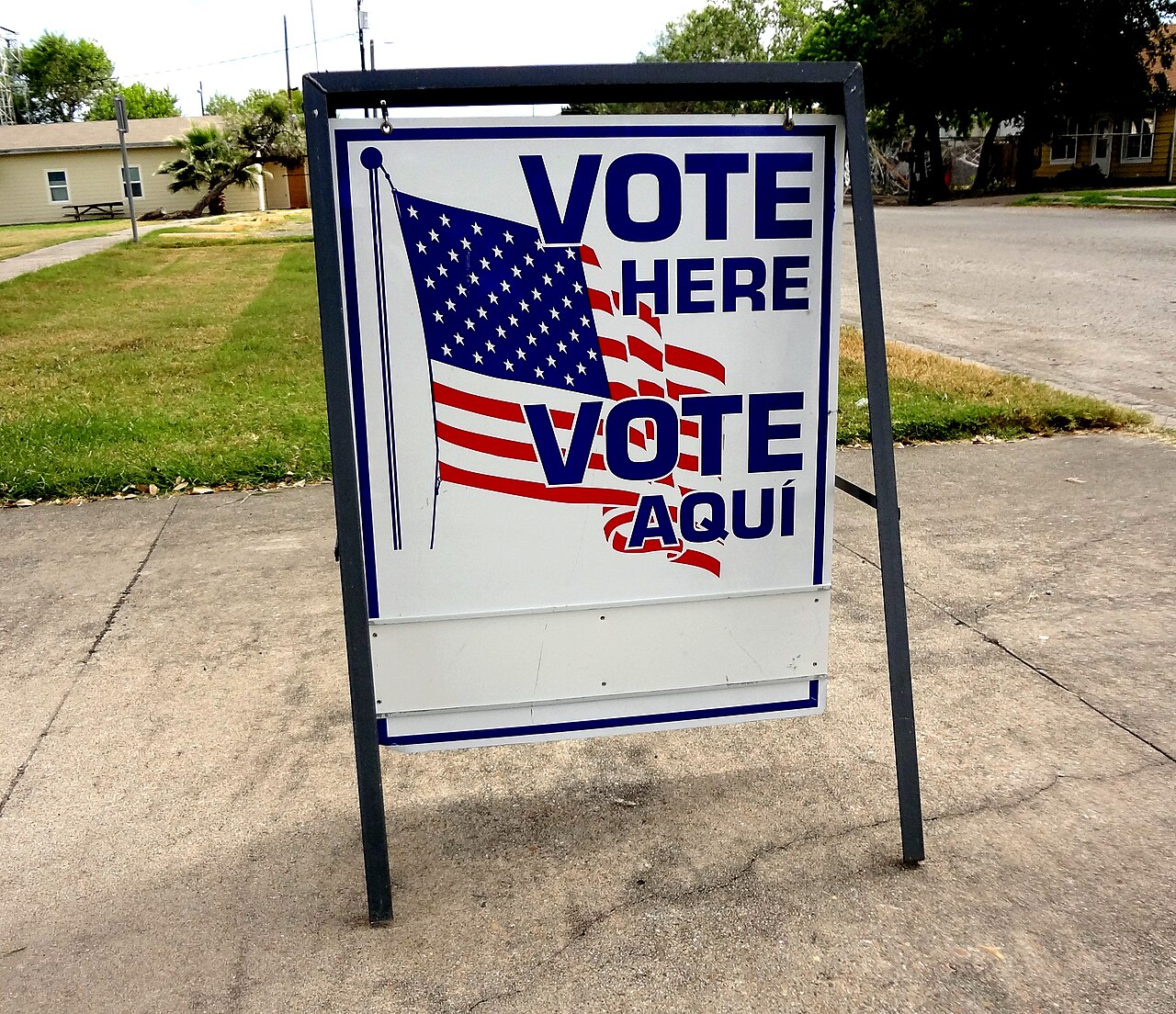
Representative file photograph: a voting sign in Taft, Texas, photographed October 25, 2016. It does not depict 2026 voting activity or the influencer. Photo: Jay Phagan via Wikimedia Commons/Flickr, CC BY 2.0; resized for display. Photograph and rights record · Photographer’s source · CC BY 2.0.

Editorial note: This article draws on the linked sources and may include clearly labeled opinion or unconfirmed reports. We have not independently verified every source claim. Publication does not establish an unconfirmed claim as fact; developing details may change.
Facts first. Side-eye included.
DJF separates what is confirmed from what is claimed—and tells you why this particular mess is worth your time.