The California voter lawsuit filed by the Justice Department on October 15 puts a consequential election dispute before a court. Federal officials allege that more than 20,000 people they consider likely noncitizens appear on the state’s voter rolls. “Likely” is doing important work: that is an allegation requiring examination, not a judicial determination about every person on a list.
Reuters reports that the department seeks to prevent tabulation of federal vote-by-mail ballots from the affected voters until citizenship status is verified. That describes requested relief. It does not mean a judge has granted the request, and it does not establish that everyone flagged has cast a ballot. Registration, voting and unlawful voting are distinct propositions.
The department says it worked with Homeland Security in identifying the records. Its announcement makes the administration’s position clear; it is not a substitute for the underlying evidence or the state’s opportunity to contest it. A responsible account must distinguish the government’s matching process from an independently tested conclusion about eligibility.
Analysis: election administration needs both accurate rolls and protection against eligible citizens being wrongly excluded. Those goals are not mutually exclusive, despite the national commitment to treating every practical question as a cable-news cage match. The useful questions concern what records were compared, how identities were matched and how disputed information can be corrected.
There is another timing problem worth watching. A request affecting ballot counting near an election can have substantial consequences before the underlying dispute is fully resolved. The court’s reasoning, any deadlines and the precise voters covered will matter more than whichever side wins the first round of headline construction.
Readers should be wary of numerical shortcuts. A list containing more than 20,000 flagged names is not automatically evidence of that many illegal votes. Nor does uncertainty about a flag mean the government must ignore it. The distinction is between investigating a concern and announcing a proven result before the investigation has survived scrutiny.
For now, the development is a federal lawsuit and a request for voting restrictions, not a final ruling on California’s election results. The next substantive update should follow an actual court action or additional verified evidence. Democracy already has enough paperwork; it does not need us replacing the evidence column with an exclamation point.
Sources and photograph
Justice Department, October 15 announcement. Reuters, October 15 reporting.
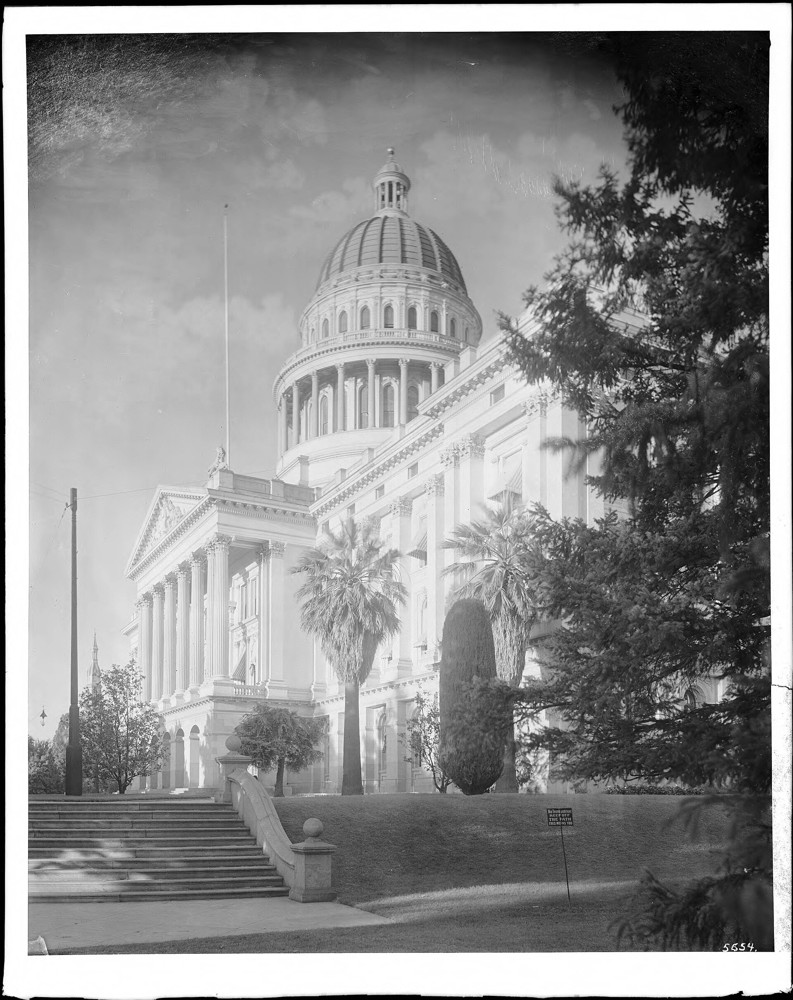
Historical photograph of California’s Capitol, circa 1900–1920; not a photograph of the lawsuit or current voting. Photo: C. C. Pierce; Public domain. Display copy resized. Original photograph and rights record.
.jpg)
More from this Daily Junk Food section.
Facts first. Side-eye included.
DJF separates what is confirmed from what is claimed—and tells you why this particular mess is worth your time.

Dana Side-Eye
Receipts, Rumors & Internet NonsenseDana reads the fine print, checks the timeline, and keeps one eyebrow permanently raised. She covers viral claims, internet pile-ons, and suspiciously convenient explanations.
“Screenshots are forever. So is the side-eye.”