Archive and evidence review — October 28, 2026. Europa is a serious destination in the search for environments that could support life beyond Earth. It is not a confirmed address for extraterrestrials. This dated review explains the difference; it reports no new detection, sighting or discovery announcement.
The distinction is more interesting than the usual choice between breathless certainty and a dismissive shrug. A world can be scientifically promising while its most exciting question remains unanswered. Europa deserves attention because researchers can explain why they want better measurements, not because a headline has already booked the victory parade.
What supports the ocean idea?
NASA's Europa facts page describes evidence for a salty ocean below the icy surface. A central clue comes from Galileo's magnetic measurements: Europa's response to Jupiter's changing magnetic field is consistent with an electrically conducting layer beneath the ice. A global saltwater ocean is the leading explanation NASA describes.
That is an inference from measurements and physical interpretation, not a camera photograph of an exposed ocean. The difference does not make the evidence worthless. Much of planetary science involves testing explanations for observations that cannot be inspected as easily as a puddle in the driveway. It does mean the nature and limits of the observation belong in the story.
An ocean, a habitat and inhabitants are three questions
Liquid water matters to the search for life as we know it. But identifying water does not identify an organism. NASA's explanation of Europa's potential ingredients for life discusses water, chemistry and energy as parts of the habitability question. An environment's ability to support life and evidence that life actually occupies it are separate claims.
Think of the questions in order. What material is present? What conditions exist around it? Could those conditions support relevant chemistry? Is there an observation that needs a biological explanation? Skipping from the first question to the last does not make the intermediate work unnecessary. It simply makes the headline faster than the evidence.
What Europa Clipper is designed to ask
NASA's Europa Clipper FAQ explicitly distinguishes the mission from a life-detection mission. Its central aim is to investigate whether environments below Europa's surface could support life. The mission's measurements are intended to improve understanding of the ice, ocean and related conditions.
That is substantial science. A stronger account of habitability would refine where and how future investigations might look. It would still need to be described according to what was measured. A result about ice or ocean properties should not be promoted into an alien discovery because the less dramatic description takes another sentence.
The cover photograph has its own history
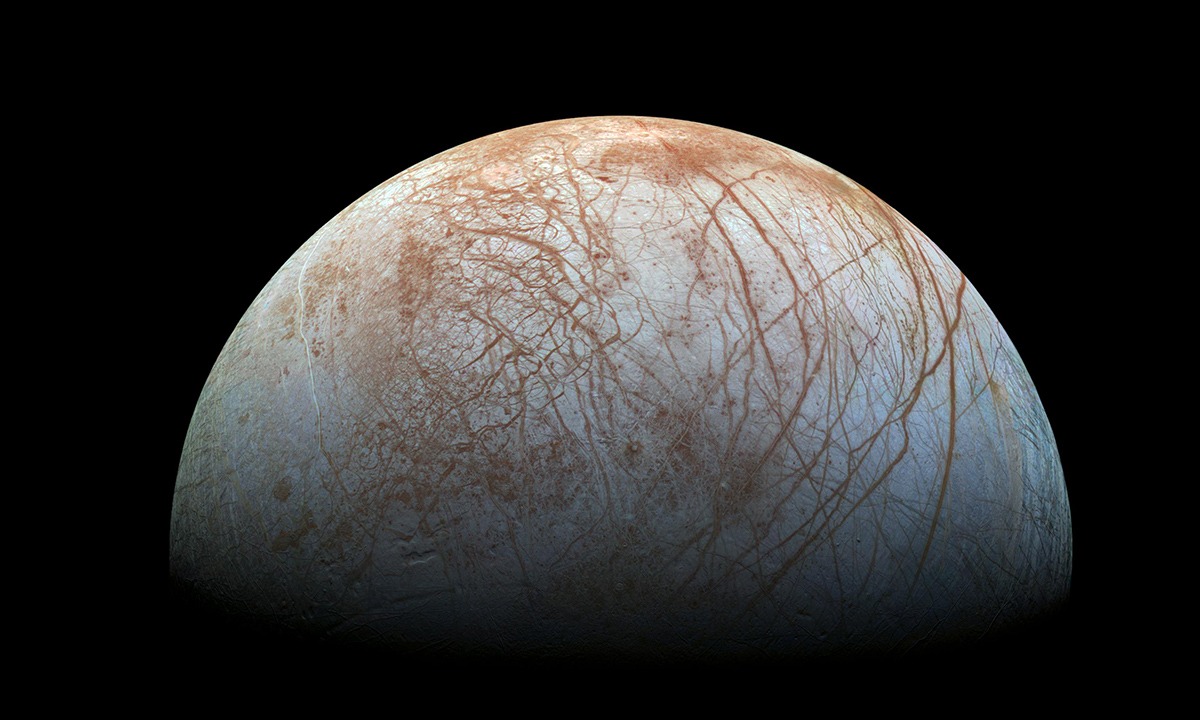
The Galileo mosaic used here combines camera observations from 1995 and 1998 and was released in this processed form in 2014. Its color treatment includes simulated color in gaps. Those processing details belong in the caption so an attractive archive image does not masquerade as a fresh encounter or a direct view beneath the ice.
DJF analysis: curiosity can survive an unresolved answer
There is plenty to investigate without pretending the investigation is finished. The best question for any future Europa headline is simple: which claim changed, and what observation changed it? Keep the ocean evidence, the habitability assessment and any eventual biological claim in their own lanes. That is how an alien archive becomes useful rather than a scrapbook of premature celebrations.
Explore our Science & Unexplained archive and Viking Mars evidence review for other cases where an intriguing result deserves both attention and careful limits.
Photograph credit and usage
NASA/JPL-Caltech/SETI Institute, photographic mosaic PIA19048. JPL image record and JPL image-use policy. Used for journalistic explanation with source credit; no agency endorsement is implied. Resized for display.
Editorial note: This article draws on the linked sources and may include clearly labeled opinion or unconfirmed reports. We have not independently verified every source claim. Publication does not establish an unconfirmed claim as fact; developing details may change.
Facts first. Side-eye included.
DJF separates what is confirmed from what is claimed—and tells you why this particular mess is worth your time.