The ExoMars rover egress tests address a requirement that tends to disappear beneath discussions of life on Mars: the vehicle has to reach the ground safely before exploring it. ESA’s October 12 report, highlighted by Astrobiology October 20, describes a full-size Rosalind Franklin twin called Amalia rehearsing departures from a model landing platform. This is Earth-based preparation, not a rover currently driving on Mars.
ESA says the two-month campaign included more than 20 rehearsals, simulated reduced gravity, a 20-degree tilt and obstacles beneath the ramps. Teams at ALTEC in Turin tested difficult exit conditions. The rover design provides front and rear ramp options; ground controllers must select a safe route using the information available after landing. A successful rehearsal informs that choice without guaranteeing every future circumstance.
The mission’s planned search for evidence of life gives this engineering work its astrobiology significance. A test vehicle negotiating a ramp has not detected organisms, discovered a biosignature or confirmed extraterrestrial life. It helps prepare an exploration system to collect evidence later. The distinction is the whole point of reporting the development accurately.
Our take: the search for life contains a great deal of work that looks less cinematic than the question it serves. Instruments cannot investigate an interesting patch of terrain if the vehicle cannot leave its platform. A reliable transition from lander to surface is therefore scientific infrastructure, even if the internet would prefer a mysterious object and an alarmed narrator.
Testing awkward conditions also reveals why an impressive animation is not enough. Engineers need to learn how hardware behaves when the surroundings are tilted, uneven or obstructed. Rehearsal supplies operational experience and exposes problems while there is still an opportunity to respond. The unglamorous work is what gives a future observation a chance to happen.
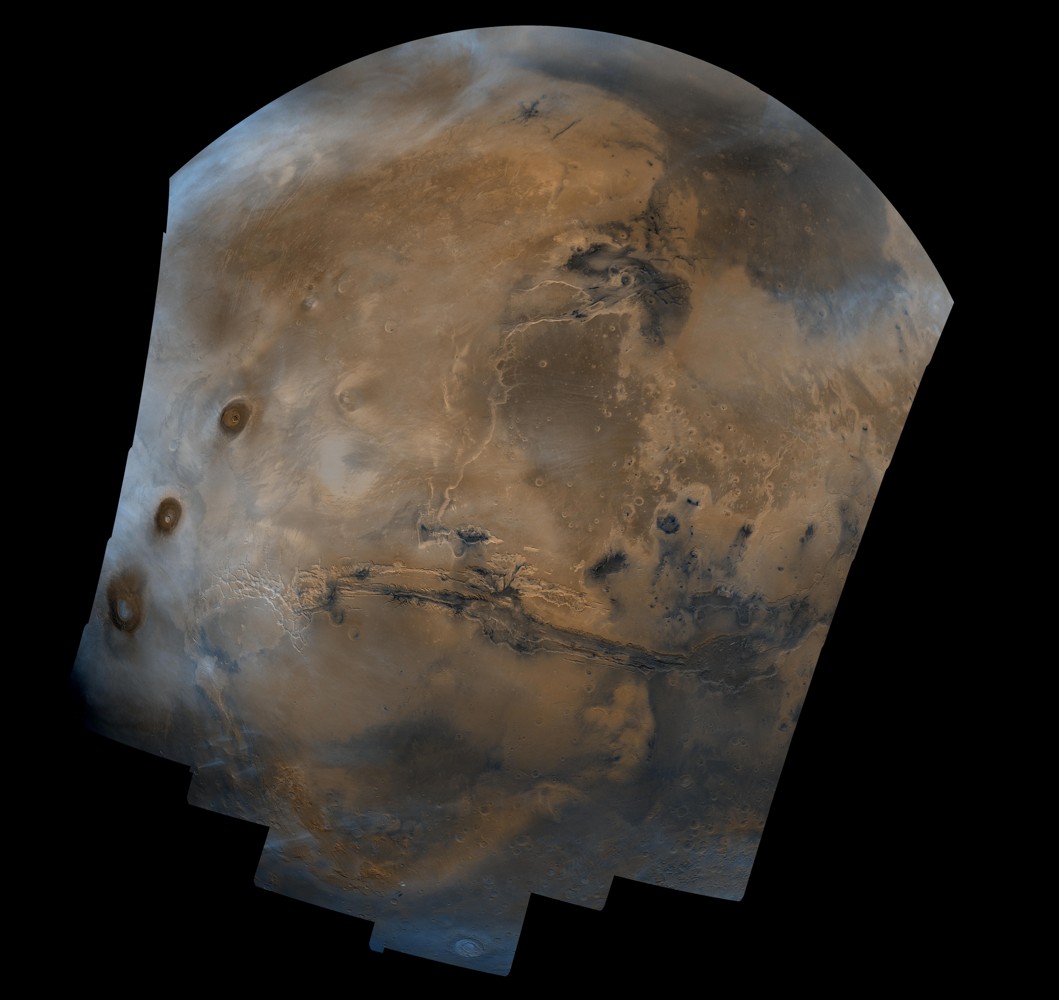
The photograph is an archival Viking view of the actual target planet, not an image of the test campaign. The current update is the published account of the rehearsals and their role in preparation. Mars has supplied no alien confirmation here. Researchers are improving the chances that, when the mission arrives, its first important discovery will not be that the exit is unexpectedly inconvenient.
Sources and photograph
ESA, October 12 primary engineering report. Astrobiology, October 20 research and mission coverage. ESA, October 6 science-team desert preparation.
Archival NASA/JPL/USGS Viking photograph of Mars, the mission’s target; not Amalia, the test facility or evidence of life. Photo: NASA/JPL/USGS; JPL image-use policy. Display copy resized. Where applicable, the resized photograph retains the stated ShareAlike license. Original photograph and rights record. Image-use terms.
More from this Daily Junk Food section.
Facts first. Side-eye included.
DJF separates what is confirmed from what is claimed—and tells you why this particular mess is worth your time.

Dana Side-Eye
Receipts, Rumors & Internet NonsenseDana reads the fine print, checks the timeline, and keeps one eyebrow permanently raised. She covers viral claims, internet pile-ons, and suspiciously convenient explanations.
“Screenshots are forever. So is the side-eye.”