Reported court development — November 2, 2026. DJF analysis is labeled below. A federal magistrate judge dismissed the criminal complaint against former FBI officials Nicole “Nikki” Floris and Bradley Benavides on Monday, finding insufficient evidence that they knowingly lied to Congress. The dismissal came before a trial, and it should not be described as a jury acquittal or a permanent guarantee against another prosecution.
Roll Call's Michael Macagnone reports that Magistrate Judge Zia Faruqui ruled from the bench after an extended review of the government's allegations. His criticism concerned both the evidence and the way the case was brought. DJF has not obtained a written dismissal order and is attributing the hearing's substance to the identified reporters.
This is the new dismissal development in a case DJF covered when the allegations were announced in October. The earlier charge report is historical; Monday’s ruling changes the procedural status.
The issue was knowing falsity, not a political slogan
The complaint concerned the officials' 2023 congressional interviews about work involving Hunter Biden. Faruqui found the prosecution had not established that the challenged statements were knowingly false, according to the court reporting. The difference matters: disagreement with an answer, an imperfect recollection and a demonstrated intentional falsehood are not interchangeable descriptions.
Roll Call reports that the judge identified errors in the complaint and criticized the investigation's rush. He also questioned the prosecution's timing before the midterm elections. Those are the judge's reported conclusions and criticisms, not an independent DJF finding that every person involved in the investigation acted with an unlawful motive.
The department disputes the ruling
Reuters reports that the Justice Department disagrees with the ruling and is considering its options. The department says its actions are guided by evidence and law rather than politics. Prosecutors could seek a grand jury indictment; this report does not claim one has been obtained.
That status belongs near the top of any honest account. A complaint being dismissed is a consequential setback for the prosecution. It is also a specific procedural event, not permission to invent the next filing, an appeal deadline or an irreversible end to every possible proceeding.
DJF analysis: evidence is not an optional accessory
The public-accountability question is straightforward: what evidence supports the charge, and does it establish the conduct the government alleges? The answer cannot be replaced by a familiar political surname or the volume of a press release. Courts exist, among other reasons, to require something more than a prosecutorial mood board.
Faruqui's reported criticism of the timing deserves attention without turning it into a broader verdict that he did not issue. Readers should ask for the complaint, the hearing record and any later written order. They should also distinguish the government's allegation from proof and its disagreement with a ruling from a successful reversal.
DJF will update this article if a new indictment or appellate action is documented. For another ongoing dispute over government authority and court limits, see our California ballot case chronology. The rule applies across the snack aisle: a new procedural step gets a dated update, not a prewritten ending.
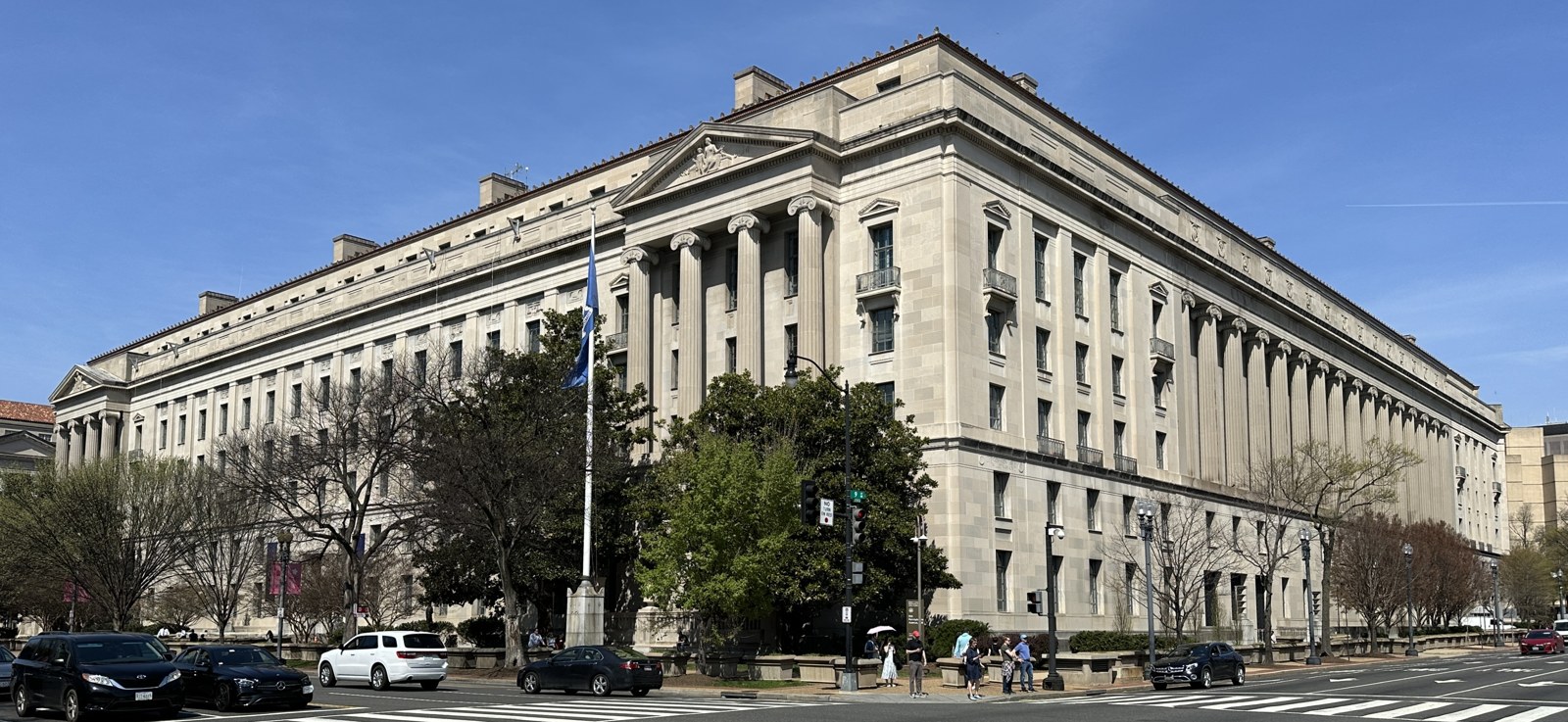
Photo: APK / Wikimedia Commons, CC BY 4.0; resized.

Editorial note: This article draws on the linked sources and may include clearly labeled opinion or unconfirmed reports. We have not independently verified every source claim. Publication does not establish an unconfirmed claim as fact; developing details may change.
Facts first. Side-eye included.
DJF separates what is confirmed from what is claimed—and tells you why this particular mess is worth your time.