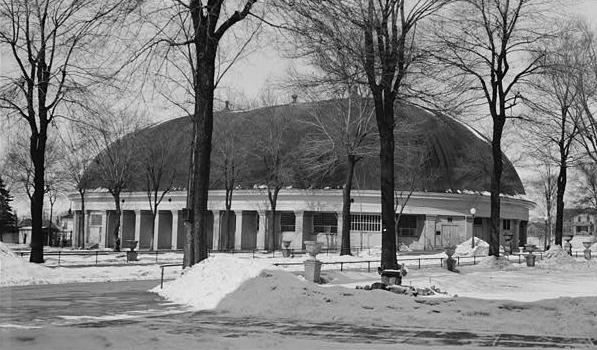
The G20 Interfaith Forum opening brought religious leaders to the historic Tabernacle at Temple Square on October 15. Dallin H. Oaks, president of The Church of Jesus Christ of Latter-day Saints, welcomed the gathering in Salt Lake City. The event included music and contributions from several faith traditions. It did not require them to announce that their theological differences had disappeared.
The forum runs October 15–17 under the theme Resilient Hope, Shared Future. The church’s account identifies participation by Muslim, Catholic, Orthodox Christian, Hindu and Jewish leaders, among others. Organizers present the forum as a place for religious communities, scholars and policymakers to address shared concerns, rather than a meeting that combines religions into one institution.
Deseret News reports that Archbishop Gabriele Caccia conveyed a message from Pope Leo XIV. Other speakers addressed cooperation, human dignity and the need to turn hope into action. The Tabernacle Choir and orchestra supplied the concert portion. These are documented features of an opening gathering, not evidence that participants have already agreed on detailed policy recommendations.
Analysis: interfaith events face an obvious test. Warm language and a well-executed concert can create an atmosphere of cooperation without answering what anyone will do afterward. That does not make the gathering meaningless. It does mean the useful follow-up concerns commitments, practical collaboration and the people intended to benefit, not simply whether everyone looked suitably hopeful onstage.
It is also worth distinguishing the G20 Interfaith Forum from the G20 governments themselves. Religious participants can seek to influence public policy, but their event is not a binding agreement among national leaders. A forum’s name does not turn an opening speech into legislation. Apparently the meeting badge still cannot perform that particular miracle.
Working across religious differences need not involve pretending those differences are trivial. The relevant question is whether communities can cooperate on a defined problem while remaining honest about their beliefs. That is a more demanding project than either ceremonial unity or permanent refusal to talk. Shared work requires an actual subject, a method and people willing to stay in the room.
The new development is the October 15 opening, reported overnight as the forum continues. Its later discussions and recommendations remain separate events to cover when documented. For now, leaders have gathered and made the case for cooperation. The next measure of the gathering is what travels beyond the speeches once the microphones are switched off.
Sources and photograph
Church newsroom, October 15 opening account. G20 Interfaith Forum, official opening information. Deseret News, Tad Walch, October 16 report.
Historical exterior photograph of the Salt Lake Tabernacle in 1937; not the October 2026 opening ceremony or its participants. Photo: Photo taken for the federal government and is public domain in the US.; Public domain. Display copy resized. Original photograph and rights record.

More from this Daily Junk Food section.
Facts first. Side-eye included.
DJF separates what is confirmed from what is claimed—and tells you why this particular mess is worth your time.

Dana Side-Eye
Receipts, Rumors & Internet NonsenseDana reads the fine print, checks the timeline, and keeps one eyebrow permanently raised. She covers viral claims, internet pile-ons, and suspiciously convenient explanations.
“Screenshots are forever. So is the side-eye.”