Mars methanogenesis is the subject of a new life-search argument, not a discovery announcement. In a white paper submitted October 16 and highlighted by Astrobiology on October 21, Rachel L. Harris examines methane-producing microbes as a target for future Mars exploration. The microbes have not announced themselves. The research is about how one might look for them responsibly.
The paper describes an unresolved methane problem: reports of seasonal variation and localized plumes coexist with doubts about whether the gas has been conclusively established. It considers whether microbial methane production could occur under conditions in the shallow Martian subsurface and argues for instruments capable of measuring methane and constraining its source. The document was submitted to a Mars Exploration Program Analysis Group science effort.
This is where the distinction between possibility and observation does real work. A metabolism being plausible in an environment does not show that organisms are present there. A gas measurement, even if confirmed, would still require an account of how the gas formed. The paper explicitly leaves biological and nonbiological origins in play rather than presenting an alien roll call.
Why cover a technical proposal? Because the search for life depends on choosing measurements that can separate competing explanations. An instrument needs to answer a defined question; a headline can merely wave at a planet and look excited. The useful development here is a fresh, traceable argument about a target and the measurements required to investigate it.
Our take: extraterrestrial-life news becomes more interesting when the uncertainty is specific. “We know nothing” and “aliens confirmed” are equally poor descriptions of a field working through candidate signals and imperfect observations. Researchers can identify a promising test while remaining uncertain about its outcome. That is an investigation moving forward, not a failure to provide the entertainment department with a spaceship.
Treat the white paper as a proposal contributing to mission discussions, not as a completed mission, a peer-review verdict or a detection. The next meaningful developments would be instrument decisions, measurements and independent analysis of any candidates. For now, a scientist has made a case for asking Mars a better question. The planet has yet to return the call.
Sources and photograph
Rachel L. Harris, primary white paper submitted October 16. Astrobiology, October 21 research coverage.
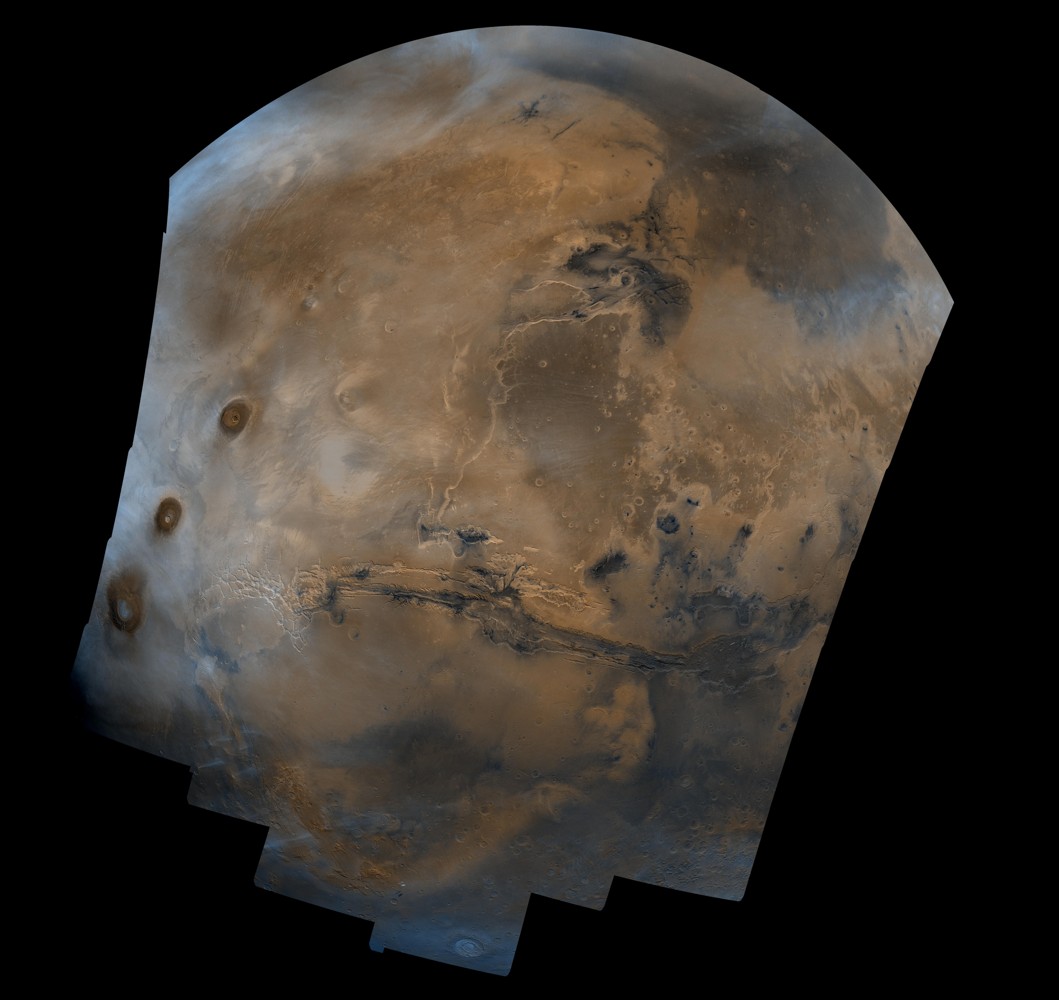
Archival spacecraft imagery of Mars; not a photograph of microbes or evidence of a newly detected biosignature. Photo: NASA/JPL/USGS; JPL image-use policy. Display copy resized. Where applicable, the resized photograph retains the stated ShareAlike license. Original photograph and rights record. Image-use terms.
More from this Daily Junk Food section.
Facts first. Side-eye included.
DJF separates what is confirmed from what is claimed—and tells you why this particular mess is worth your time.

Dana Side-Eye
Receipts, Rumors & Internet NonsenseDana reads the fine print, checks the timeline, and keeps one eyebrow permanently raised. She covers viral claims, internet pile-ons, and suspiciously convenient explanations.
“Screenshots are forever. So is the side-eye.”