PDS 70 exocomet evidence has received fresh scientific attention in an October 12 Nature Communications commentary by Daniela Iglesias. The perspective discusses research by Aline Novais and colleagues, published August 24, proposing that sublimating comet-like bodies help explain changing signals around a young star. The new item is the commentary, not a claim that the underlying observation was first discovered today.
The original team examined archival spectra and identified rapidly varying absorption from neutral sodium. They argue that gas released by bodies on elongated, star-grazing orbits is a likely explanation. The signal is indirect evidence interpreted through competing physical possibilities; it is not a close-up photograph of a comet passing a newly forming planet.
The study connects the proposed bodies with a larger question about water already observed in the system’s inner disk. Material traveling inward might help supply volatiles to regions where planets can form. The authors describe that as a possible mechanism and call for further observations. They do not establish that all the water arrived this way or that a habitable planet has already formed.
Iglesias places the result in the context of studying comets while a planetary system is still developing, rather than only after its major structures have settled. That timing makes the system scientifically interesting. The original paper also identifies confirmation work still needed, including more detailed monitoring and observations capable of testing the comet interpretation.
Analysis: this is related to the search for life because water and the movement of planet-building material are part of understanding how potentially suitable environments emerge. It is not evidence of life itself. Detecting a relevant ingredient, identifying a transport mechanism and discovering organisms are three very different achievements. The press release does not get to skip directly to the third level.
The vocabulary matters. Potential, likely and if confirmed are not decorative words inserted to make astronomers sound timid. They identify which parts are observed and which parts remain an explanation to test. Removing them makes a story more confident while making the reader less informed. We have enough certainty factories operating without assigning one to every telescope.
The useful takeaway from this week’s perspective is a clearer view of what the older study proposes and why confirmation would matter. PDS 70 may offer a window into the delivery of material during planet formation. Nobody has announced inhabitants, technology or a message. The interesting possibility is that scientists can watch clues to the construction process before the planetary neighborhood is finished.
Sources and photograph
Daniela Iglesias, Nature Communications Comment, October 12, 2026. Aline Novais and colleagues, original study, August 24, 2026.
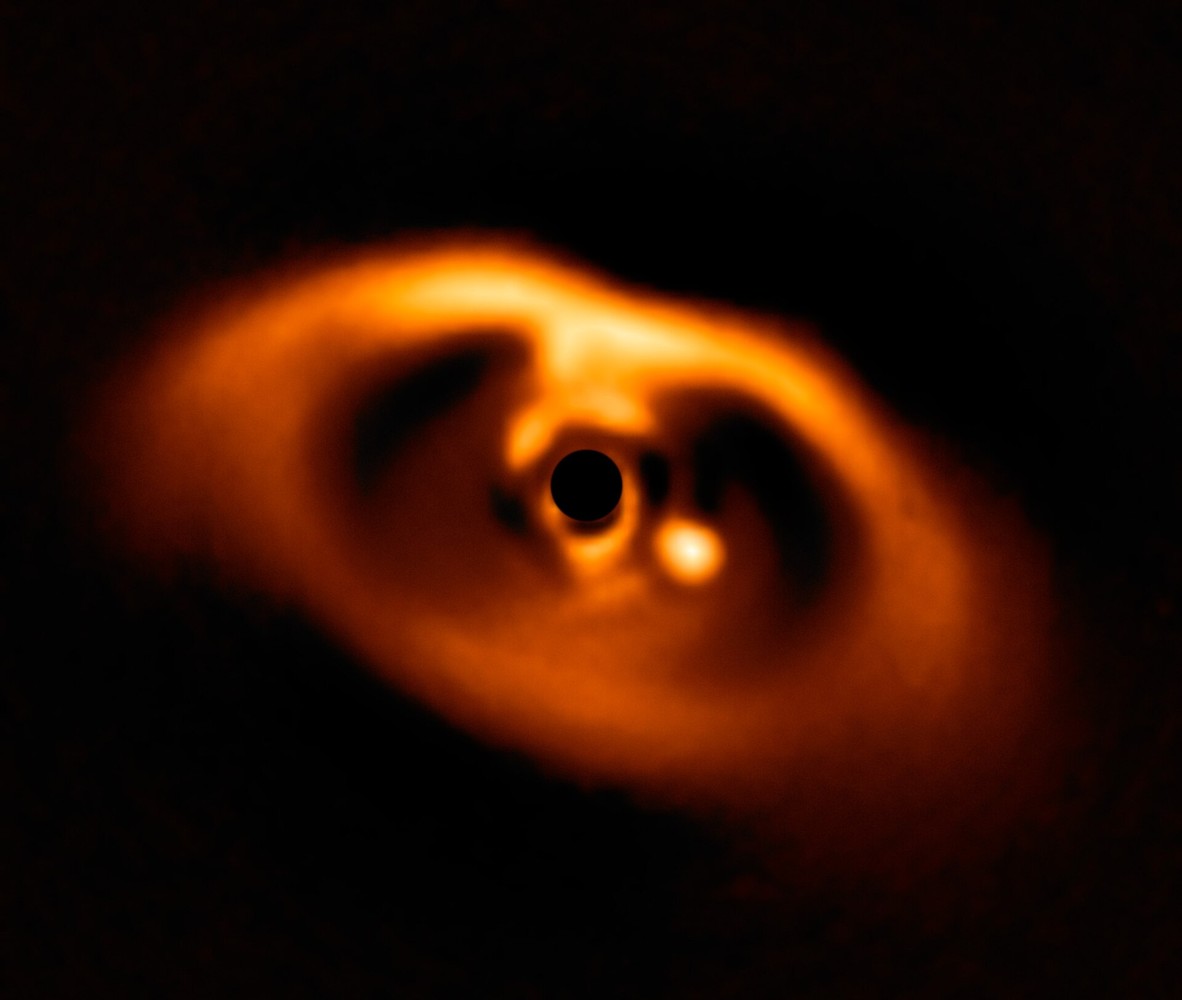
Processed astronomical observation of PDS 70; not a resolved photograph of individual exocomets, water or extraterrestrial life. Photo: ESO/A. Müller et al.; CC BY 4.0. Display copy resized. Original photograph and rights record. Image-use terms.

More from this Daily Junk Food section.
Facts first. Side-eye included.
DJF separates what is confirmed from what is claimed—and tells you why this particular mess is worth your time.

Dana Side-Eye
Receipts, Rumors & Internet NonsenseDana reads the fine print, checks the timeline, and keeps one eyebrow permanently raised. She covers viral claims, internet pile-ons, and suspiciously convenient explanations.
“Screenshots are forever. So is the side-eye.”