The Tunisia protest on October 17 brought thousands into Tunis against President Kais Saied, Reuters reported. The march included the UGTT union and civil-society groups amid economic grievances. Reuters described it as the largest anti-Saied demonstration in years. Rights groups accuse the president of suppressing opponents; he rejects accusations of authoritarianism and blames opponents for engineering crises. Those competing claims should not be mistaken for independently resolved findings.
Analysis: the immediate significance of a large demonstration is public participation, not a guaranteed change of government. Turning out, maintaining a coalition and converting demands into institutional results are different tests. A crowd can make dissatisfaction visible without producing an agreed route forward. Anyone selling an inevitable political ending from a single afternoon has brought a crystal ball to a reporting assignment.
The distinction matters particularly when economic demands and arguments about political power share the same pavement. One participant may prioritize prices or employment; another may prioritize civil liberties. A photograph cannot tell us that every person endorses the same program. Treating an entire demonstration as a single speaking character is tidy storytelling and lousy explanation.
There is also a difference between describing the authorities’ stated rationale and accepting it. A government’s claim that opponents caused its problems is a proposition to examine, not a substitute for examining policy. The same standard applies to opposition claims. Volume is not verification, regardless of which side has the louder microphone.
The useful next questions are concrete: do organizers sustain participation, do officials announce a response, and do subsequent actions alter the conditions being challenged? Those developments would justify another story. Recycling the same march with a more dramatic headline would not. For now, the verified development is a substantial public challenge, not a forecast of how Tunisia’s political contest ends. The street has delivered a message; the receipt is not yet a resolution.
Sources and photograph
Reuters, Tarek Amara, October 17.
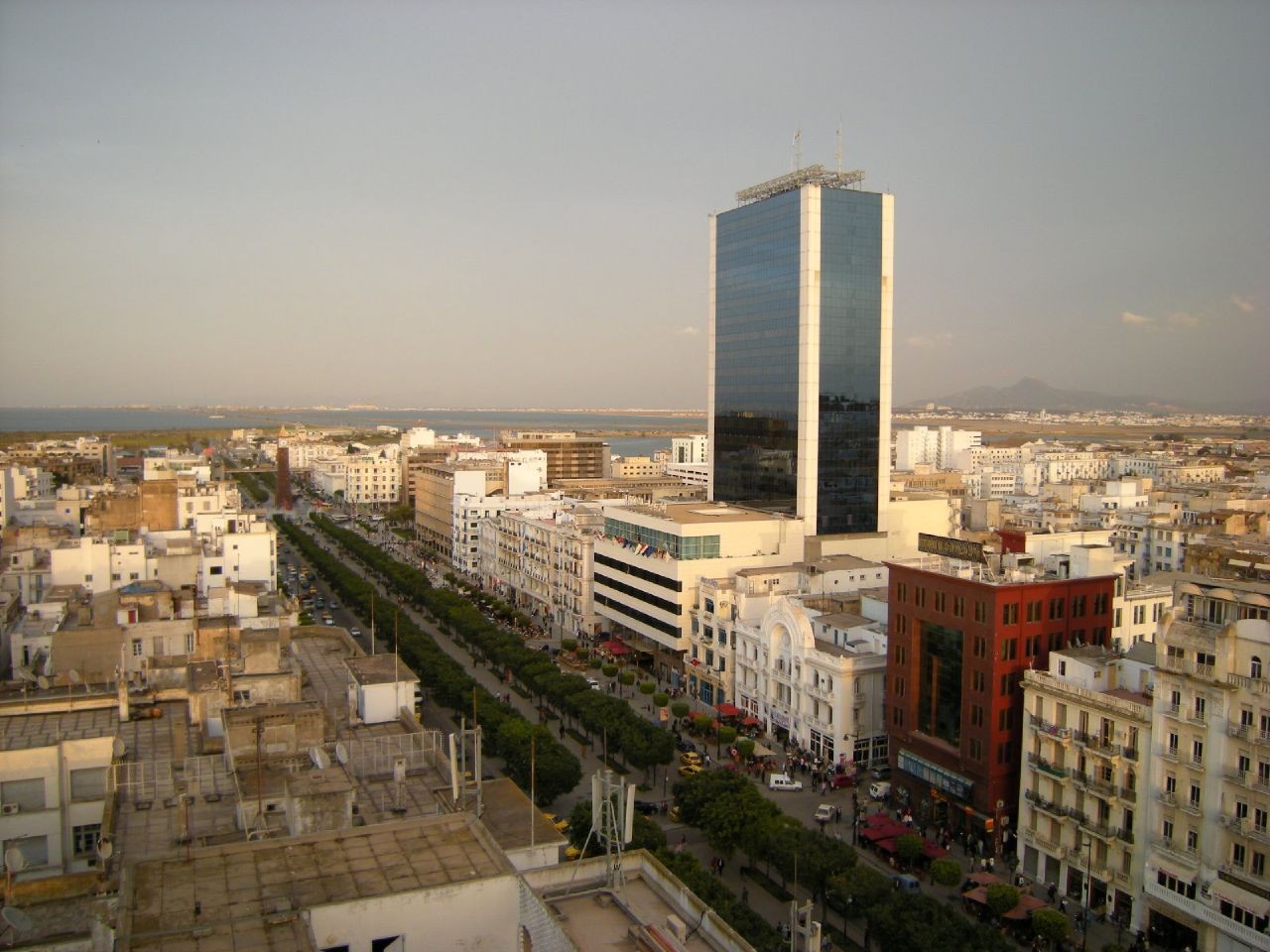
Representative file photograph of Habib Bourguiba Avenue, Tunis, in 2008; not the October 17, 2026 demonstration. Photo: Leandro Neumann Ciuffo; CC BY 2.0. Display copy resized. Original photograph and rights record. Image-use terms.

More from this Daily Junk Food section.
Facts first. Side-eye included.
DJF separates what is confirmed from what is claimed—and tells you why this particular mess is worth your time.

Dana Side-Eye
Receipts, Rumors & Internet NonsenseDana reads the fine print, checks the timeline, and keeps one eyebrow permanently raised. She covers viral claims, internet pile-ons, and suspiciously convenient explanations.
“Screenshots are forever. So is the side-eye.”