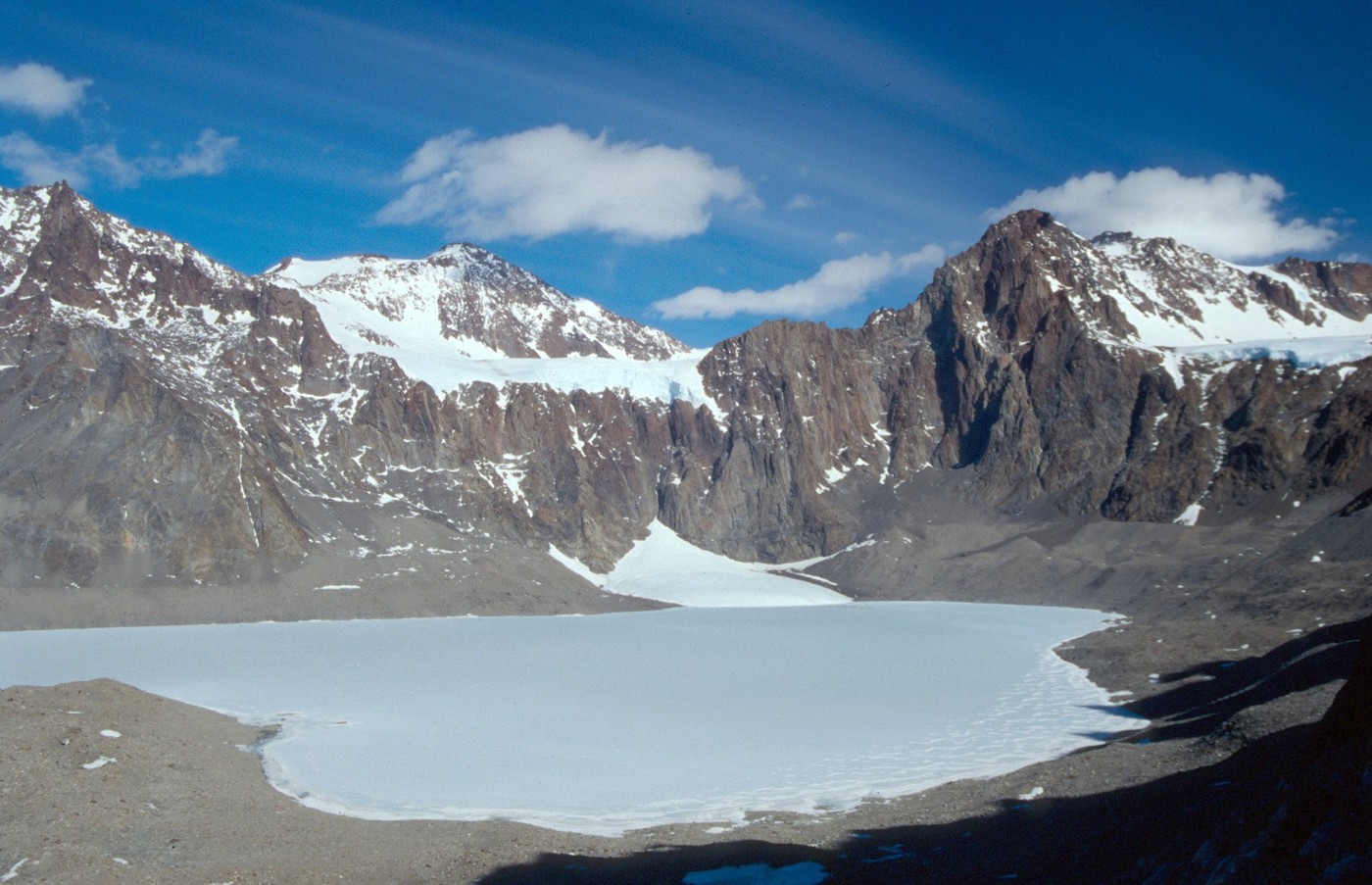
Lake Untersee astrobiology research is preparing for another Antarctic field season. An October 16 overview says Dale Andersen plans to depart the United States October 19, reach Antarctica around October 25 and continue to the lake if logistics and weather permit. The expedition is forthcoming. Nobody has returned with this season’s results, much less an extraterrestrial passenger.
The announced priority is recovering sediment cores two to three meters long for dating and geochemical work. The overview describes a striking complication: ancient carbon released from glacial ice can make living microbial mats return apparent radiocarbon ages around 10,000 years. That is a carbon-reservoir effect, not evidence that living material has secretly ignored the calendar.
Collaborators in Japan are expected to use independent dating methods, including luminescence. Understanding a microbial ecosystem beneath persistent ice helps researchers think about early Earth and possible life-supporting environments elsewhere. It does not establish that organisms exist on Mars or an icy moon. The verified development is a research plan studying terrestrial life.
Analysis: this is where the search for life becomes more demanding than locating an intriguing chemical. Scientists also need to understand the environment that created, moved or preserved a signal. If the apparent age can be affected by old carbon entering a system, interpretation requires more than accepting the first number an instrument prints. The universe, regrettably, does not ship samples with a reliable receipt.
An Earth analogue is valuable because researchers can examine both the organisms and the circumstances around them. It gives a way to test assumptions before applying those assumptions to a distant setting with fewer accessible samples. The analogy is a research tool, not a declaration that two environments are identical. Similarity can generate a useful question without supplying the answer.
Follow this field season for actual departures, arrivals, recovered cores and eventual analyses. Those will be distinct milestones, subject to conditions on the ice. This is substantive astrobiology without alien confirmation: the patient work of learning what a living system leaves behind and how easily its history can be misread. The microbes are real. The interplanetary conclusions still need evidence.
Sources and photograph
Astrobiology, Dale Andersen field overview, October 16. NASA, astrobiology research background.
File photograph of Lake Untersee taken January 28, 1996; not the upcoming expedition or its samples. Photo: Wilfried Bauer; CC BY-SA 3.0. Display copy resized. Original photograph and rights record. Image-use terms.

More from this Daily Junk Food section.
Facts first. Side-eye included.
DJF separates what is confirmed from what is claimed—and tells you why this particular mess is worth your time.