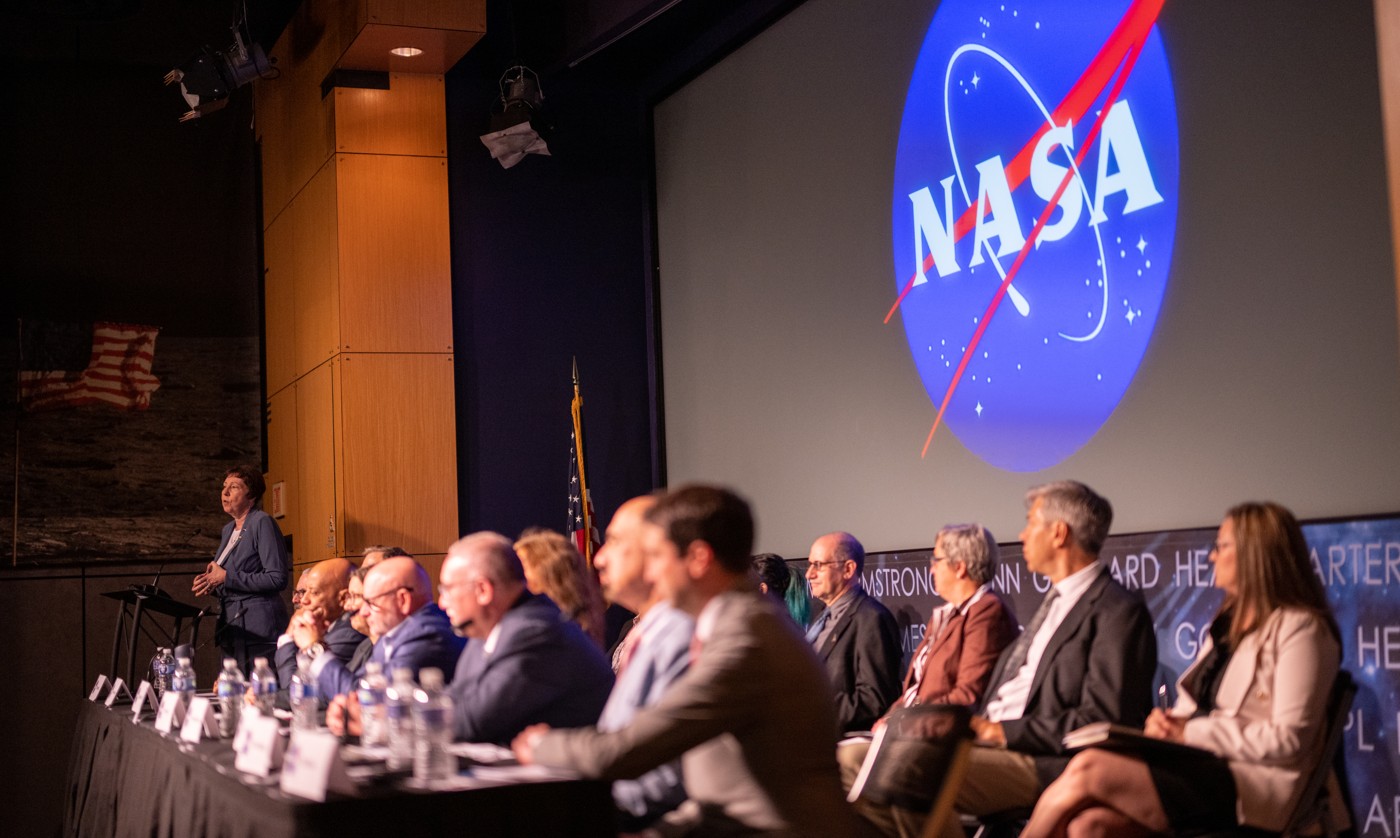
Archive / context review — October 29, 2026. NASA's September 14, 2023 UAP independent-study report proposed ways to investigate unidentified anomalous phenomena more scientifically. It was not an announcement that extraterrestrial visitors had been identified. This is a review of that historical document, not a fresh government file drop or a newly reported sighting.
The official study archive supplies the publication date and scope. The original report is the place to check what the panel recommended, rather than relying on a clip's caption to do the reading.
The missing information can matter more than the spectacular frame
The report identifies problems including sensor calibration, absent metadata, insufficient measurements and a lack of baseline information. It recommends better collection and analysis, including observations from multiple calibrated sensors. These are proposals for improving an investigation, not findings that a particular object came from another world.
NASA's current FAQ says the agency has not found credible evidence of extraterrestrial life or evidence that UAP are extraterrestrial. It also explains that the independent study was not a review of earlier individual incidents. The archive's date and that present evidence statement should not be collapsed into an imaginary new disclosure.
DJF analysis: an image needs a measurement story
A bright spot can be a compelling starting point. Before turning it into a claim about speed or distance, however, the account needs to explain how those quantities were established. The observer's position, the camera's behavior and the timing of the recording can change what a moving shape appears to do.
That is why missing information is a limitation rather than a permission slip. An account can remain unresolved without favoring the most dramatic explanation. Equally, taking an observation seriously does not require pretending the person who reported it has already supplied every measurement needed to explain it.
A practical way to read the archive
Separate the observation, the interpretation and the recommendation. The observation is what a sensor recorded or a person reported. The interpretation proposes an explanation. A recommendation asks for better ways to collect or test evidence next time. These categories can appear together in a discussion while carrying very different evidentiary weight.
For any claimed new release, ask for the original file, its actual release date, the event date and the source's stated conclusion. Then check whether an inference belongs to the government document or to somebody describing it. The paperwork is less cinematic than an ominous soundtrack, but considerably easier to audit.
Our UAP terminology guide explains the labels. The Viking evidence review covers a different inquiry: possible biology on Mars. Neither an unexplained sky observation nor an interesting laboratory response is, by itself, extraterrestrial confirmation. Explore the Science & Unexplained archive for the linked records.
Photograph and credit
NASA/Joel Kowsky, photo NHQ202305310005. Original NASA photo record; NASA media-use policy. U.S. public-domain government photograph, resized for display. No NASA endorsement is implied.
Editorial note: This article draws on the linked sources and may include clearly labeled opinion or unconfirmed reports. We have not independently verified every source claim. Publication does not establish an unconfirmed claim as fact; developing details may change.
Facts first. Side-eye included.
DJF separates what is confirmed from what is claimed—and tells you why this particular mess is worth your time.